


How Does Summer Heat Affect My Roof in Hudson County, NJ?
- Elite Roofing

- Jun 12
- 7 min read
When summer arrives in Hudson County, NJ, homeowners often focus on keeping their homes cool and comfortable. However, while you're enjoying the sunshine, your roof is taking the full force of the season's heat and ultraviolet (UV) radiation every single day.

Whether you own a home with an asphalt shingle roof in Bayonne, a flat roof in Jersey City, a brownstone in Hoboken, or a multifamily property in Weehawken, West New York, Union City, North Bergen, Guttenberg, or Secaucus, understanding how summer heat affects roofing materials can help you prevent costly repairs and extend the life of your roof.
In this guide, we'll explain exactly how UV rays and high temperatures impact both flat roofing systems and asphalt shingle roofs, the warning signs of heat-related roof damage, and what Hudson County property owners can do to protect their investment.
Why Is Summer So Hard on Roofs?
Your roof is the first line of defense against the elements. During summer, it faces two major challenges:
Extreme surface temperatures
Continuous UV exposure
While the outdoor temperature may only be 90°F, roof surfaces can easily exceed 150°F to 180°F during direct sunlight.
Dark-colored roofing materials absorb significant amounts of solar energy, causing roofing components to expand, contract, age, and deteriorate faster than they would in milder conditions.
The urban environment throughout Hudson County further increases heat exposure through the "urban heat island effect," where concrete, brick, and asphalt surfaces absorb and radiate heat, increasing temperatures around residential and commercial buildings.
What Are UV Rays and Why Do They Damage Roofs?
Ultraviolet (UV) rays are invisible forms of solar radiation emitted by the sun. Unlike rain, wind, or snow, UV damage occurs slowly over time, making it difficult for property owners to notice until visible deterioration has already occurred.
UV radiation breaks down the molecular structure of roofing materials, causing them to become:
Brittle
Dry
Cracked
Faded
Less flexible
The longer a roof is exposed to UV rays, the more vulnerable it becomes to leaks, moisture intrusion, and premature aging.
How Summer Heat Affects Asphalt Shingle Roofs
Asphalt shingles remain one of the most common roofing systems throughout Bayonne, Jersey City, Hoboken, and surrounding Hudson County communities.
Although modern shingles are engineered to withstand years of weather exposure, prolonged summer heat still accelerates wear and tear.
Granule Loss
The granules visible on asphalt shingles serve a critical purpose. They protect the asphalt layer beneath from UV radiation.

Over time, intense sunlight causes granules to loosen and detach.
Signs of granule loss include:
Black spots on shingles
Excessive granules in gutters
Uneven roof coloration
Once granules are lost, UV rays can directly attack the asphalt layer, significantly accelerating roof deterioration.
Curling and Warping Shingles
High temperatures can cause shingles to expand during the day and contract at night.

After years of thermal cycling, shingles may begin to:
Curl upward
Cup along the edges
Warp unevenly
Curled shingles become more susceptible to:
Wind damage
Water infiltration
Ice dam formation during winter
Cracking and Brittleness
UV radiation dries out asphalt shingles over time.
As flexibility decreases, shingles become brittle and may crack during storms or temperature fluctuations.
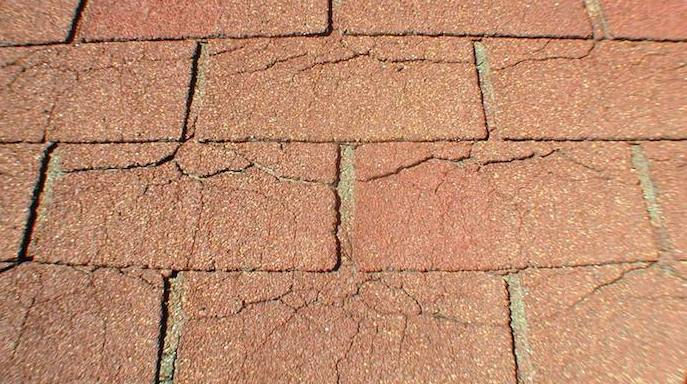
Cracked shingles often allow water to penetrate beneath the roofing system, leading to leaks and interior damage.
Reduced Lifespan
A roof that might otherwise last 25-30 years can experience a shortened lifespan when exposed to excessive heat, poor attic ventilation, and continuous UV exposure.
How Summer Heat Affects Flat Roof Systems
Flat roofs are extremely common throughout Hudson County, especially on:
Multifamily buildings
Brownstones
Mixed-use properties
Commercial buildings
Apartment complexes
Flat roofing systems face unique challenges during the summer months.
Membrane Expansion and Contraction
Flat roofing membranes constantly expand and contract as temperatures rise and fall.

Over time, this movement can stress:
Seams
Flashings
Penetrations
Roof edges
Eventually, separation may occur, creating pathways for water intrusion.
Blistering
Roof blistering is one of the most common heat-related issues on flat roofs.

Blisters form when:
Air becomes trapped beneath the roofing membrane
Moisture becomes trapped within roofing layers
Heat causes expansion of trapped gases
The result is raised bubbles or pockets on the roof surface.
While small blisters may not immediately leak, larger blisters can rupture and expose underlying materials.
Membrane Shrinkage
Certain roofing membranes can shrink after prolonged UV exposure.

As shrinkage occurs, stress develops around:
Roof penetrations
Parapet walls
HVAC units
Drainage systems
This often leads to cracks, seam separation, and leaks.
Coating Degradation
Many flat roofs in Jersey City, Bayonne, and Hoboken are protected by reflective coatings.

These coatings help:
Reduce roof temperatures
Lower cooling costs
Protect roofing membranes
However, UV radiation gradually breaks down coatings over time, reducing their effectiveness and requiring periodic maintenance or recoating.
Why Hudson County Roofs Face Additional Heat Stress
Property owners throughout Hudson County encounter several local conditions that can accelerate roof aging.
Dense Urban Development
Cities such as Jersey City, Hoboken, Bayonne, Union City, and West New York contain large concentrations of:
Brick buildings
Concrete surfaces
Asphalt roads
Limited green space
These materials absorb and retain heat, creating hotter rooftop environments.
Waterfront Reflection
Properties located near the Hudson River, Newark Bay, and Upper New York Bay may experience additional sunlight reflection from water surfaces.
This reflected solar energy can increase UV exposure on roofing materials.
Limited Roof Visibility
Many flat roofs throughout Hudson County are difficult for homeowners to inspect regularly.
Because roof surfaces aren't visible from the ground, heat-related damage often goes unnoticed until leaks develop.
Warning Signs Your Roof May Be Suffering from Heat Damage
Homeowners should watch for:
On Shingle Roofs
Curled shingles
Cracked shingles
Missing granules
Uneven roof coloration
Excessive attic temperatures
Water stains on ceilings
On Flat Roofs
Roof blisters
Membrane wrinkles
Ponding water
Seam separation
Surface cracking
Interior leaks
If any of these conditions are observed, a professional roof inspection should be scheduled promptly.
Can Heat Damage Lead to Roof Leaks?
Yes.
Many homeowners assume roof leaks only occur after storms.
In reality, summer heat often causes the deterioration that eventually creates leaks.
Heat-related roof damage can:
Open seams on flat roofs
Crack roofing membranes
Deteriorate flashing systems
Age sealants around penetrations
Damage shingle integrity
When the next rainstorm arrives, water finds these weak points and enters the building.
How Can Homeowners Protect Their Roof During Summer?
Schedule Annual Roof Inspections
Professional inspections help identify small issues before they become expensive repairs.
Early detection is particularly important for flat roofs.
Maintain Roof Coatings
Reflective roof coatings can significantly reduce roof temperatures and protect roofing membranes from UV degradation.
Ensure Proper Ventilation
For shingle roofs, attic ventilation plays a major role in controlling heat buildup.
Proper ventilation helps:
Reduce attic temperatures
Extend shingle life
Improve energy efficiency
Keep Roof Drains Clear
Flat roofs depend on proper drainage.
Blocked drains can increase water retention and accelerate membrane deterioration.
Address Repairs Quickly
Small issues exposed to intense summer heat often become larger problems rapidly.
Prompt repairs help prevent costly structural damage.
Why Summer Is Actually the Best Time for a Roof Inspection
Many Hudson County property owners wait until they notice a leak before calling a roofing contractor.

However, summer inspections provide an opportunity to identify:
UV deterioration
Aging materials
Flashing failures
Roof blisters
Drainage concerns
before they become emergency repairs.
Preventive maintenance is almost always less expensive than water damage restoration.
Frequently Asked Questions (FAQ)
Does hot weather damage roofs?
Yes. Prolonged exposure to high temperatures and UV radiation can accelerate the aging of roofing materials, causing cracking, blistering, granule loss, and reduced lifespan.
Can UV rays damage asphalt shingles?
Absolutely. UV rays break down the asphalt compounds within shingles, causing them to become brittle, lose protective granules, and deteriorate more quickly.
Why do flat roofs blister during summer?
Blisters form when heat causes trapped moisture or air beneath the roofing membrane to expand, creating raised bubbles on the roof surface.
How hot can a roof get in the summer?
Roof surface temperatures can exceed 150°F to 180°F even when outdoor temperatures are only around 90°F.
Does roof color affect heat absorption?
Yes. Dark-colored roofs absorb more solar heat than lighter-colored or reflective roofing systems.
Can heat damage cause roof leaks?
Yes. Heat can weaken seams, flashing, shingles, and roofing membranes, creating pathways for water intrusion during rainstorms.
How often should a roof be inspected in Hudson County, NJ?
Most roofing professionals recommend annual inspections, with additional inspections after severe weather events.
Are flat roofs more vulnerable to heat than shingle roofs?
Both roof types experience heat-related stress, but flat roofs often face additional challenges such as blistering, membrane shrinkage, and seam separation.
Which Hudson County towns experience these roofing issues?
Heat and UV damage affect roofs throughout Bayonne, Jersey City, Hoboken, Weehawken, West New York, Union City, North Bergen, Guttenberg, Secaucus, and surrounding Hudson County communities.
Can a roof coating help reduce summer heat damage?
Yes. Reflective roof coatings can lower roof surface temperatures, improve energy efficiency, and extend the life of many flat roofing systems.
Protect Your Hudson County Roof Before Summer Damage Leads to Leaks
Summer heat may seem harmless compared to storms or winter weather, but prolonged UV exposure is one of the leading causes of premature roof aging. Whether you own a flat roof in Jersey City, a brownstone in Hoboken, or a shingle roof in Bayonne, regular inspections and preventive maintenance can significantly extend the life of your roofing system.
If you're concerned about heat-related roof damage, blistering, aging shingles, or potential leaks, scheduling a professional roof inspection can help identify issues before they become costly repairs.
If you live in Jersey City, Bayonne, Hoboken, or anywhere in Hudson County, and are looking for a professional roofing contractor that is fully licensed, insured, and bonded, contact Elite Roofing, Hudson County’s top-rated roofing contractor today to schedule a FREE estimate. With over 30+ years in business, we have the experience and knowledge for any roofing or exterior project that comes our way! In addition, we are reputable as we have over 350+ 5-Star Google reviews, a plethora of monthly updated portfolios reflecting our work, a page with our team and their photos, written reviews & video testimonials from real clients, and an endless list of roofing and exterior services offered, including roof inspections, preventative roof maintenance, historical restorations, leak detection, roof repairs, roof replacements, gutter services, roof decks, and so much more! Contact Elite Roofing today for a FREE estimate by calling our office at (201)436-1011, email us at eliteroofinginc@hotmail.com, or fill out our contact form by visiting https://www.eliteroofingincnj.com/contact today!


Comments